Engagement loops
The behavioral cadence beneath the product — onboarding, return, recovery, and reinforcement designed as one continuous system.
Implementation Infrastructure
Hi . Tuned for .
Future Proof is the implementation infrastructure behind durable behavior change. We unify fragmented digital ecosystems and operate them as one coherent system — for the organizations shaping personal development, consciousness, and transformational learning.
Trusted by visionary brands & mission-driven organizations







As featured in






01 The fragmentation
Years of disconnected development, vendor sprawl, and reactive growth leave organizations with technology that no longer reflects how the business operates — or how customers actually behave. The symptoms read as separate problems. They are one problem.
02 The integration
Most engagements end at the deliverable. Ours end at operational fluency — when the friction stops compounding and the next decision starts to. The platform behaves the way the business behaves, the team trusts what it sees, and the work that follows builds on the work that came before.
Bring disconnected platforms, vendors, and signals under one operating frame.
Restore the trust that years of half-finished work have eroded — in the systems and in the people who run them.
Modernize what holds the business back. Build what makes the next decade possible.
We don’t leave when the build is done. We leave when the platform runs the way the business runs.
03 The framework
A four-stage operating model for moving from fragmented implementation to a coherent, behavior-aware ecosystem. Used across every engagement we run.
Map the ecosystem as it actually operates: systems, vendors, signals, and the gaps between them.
Bring technology, product, and customer experience under a single strategic frame.
Replace what is holding the business back. Build what makes the next decade possible.
Establish the governance, oversight, and measurement that keep the ecosystem cohesive over time.
04 The architecture
Architectural primitives, not services. Friction lives in the gaps between systems; these are the components that close them. Every engagement assembles some subset — the parts the team will name, operate, and improve once the work is done.
The behavioral cadence beneath the product — onboarding, return, recovery, and reinforcement designed as one continuous system.
The moments the product meets the user at the point of friction — interrupts, nudges, micro-practices, and just-in-time interventions calibrated to actual behavior.
Intelligence designed into the product, not bolted on — adaptive content, conversational coaching, and timing models built on the user’s real signal.
The weekly, monthly, and quarterly rhythm that keeps product, engineering, and behavioral systems aligned with the business.
A single point of strategic oversight across the agencies, contractors, and platforms shaping the ecosystem — so the architecture stays coherent over time.
The analytics, telemetry, and behavioral instrumentation the leadership team can actually trust — and the dashboards that make the system legible to the people who run it.
How they connect
05 What we build
Implementation Infrastructure becomes coherent digital ecosystems customers return to daily.
The core products customers download, return to, and pay for. Built for daily use, on a coherent product spine.
Course content, practice systems, and progression designed as one continuous learning architecture — not a content library bolted to a CMS.
AI coaches, adaptive content engines, and conversational interfaces designed into the product — not bolted on as a chatbot.
Onboarding, return, recovery, and reinforcement as one continuous loop — the architecture beneath durable behavior change.
The systems behind paid community, content delivery, lifecycle, and renewal — for organizations whose product is access to a body of work.
Workflows, integrations, analytics, and vendor governance — the systems that keep the ecosystem coherent after the apps are shipped.
06 How we work
Three named engagements with clear shape and defined outcome. Each begins where the implementation infrastructure is breaking down today.
A 30-day audit of where the implementation infrastructure behind your flagship product is losing traction — the engagement loops, onboarding sequences, behavioral signals, retention systems, and vendor seams that determine whether transformation compounds or evaporates.
A 90- to 180-day partnership to architect the engagement, retention, and behavioral systems behind your flagship product — aligning technology, product, and design into a coherent implementation system the team operates in-house.
A fractional executive partnership for sustained oversight of the implementation infrastructure — strategic leadership across product, engagement, AI, and vendor systems, embedded inside the operating cadence of the business.
07 Philosophy
Future Proof specializes in building digital ecosystems that turn intention into outcome — designing technology, product, and engagement as one connected behavioral system rather than as separate disciplines.
Most organizations treat these independently
Future Proof approaches them as one connected system
Combined, these disciplines help organizations create digital experiences that improve onboarding, retention, engagement, and long-term customer outcomes.
Meaningful transformation rarely fails because of information alone. It fails through friction.
The result is not simply better software. It is more intentional digital experiences that support long-term engagement and growth.
08 In their words
Josh is a best-in-class partner who drives transformation through innovation and heart. He goes beyond ideation and stays until the impact is real.
They turned my bestselling book into a top-rated app and a major revenue engine.
Michael O'Brien · Pause Breathe Reflect
Hal Elrod · The Miracle Morning
Strategic Diagnostic
A 5-question strategic diagnostic that surfaces where modernization compounds — and where it stalls.
09 Selected work
Long-running engagements designed and operated as cohesive systems — not single deliverables. Each case study documents the implementation architecture behind a flagship transformational product.
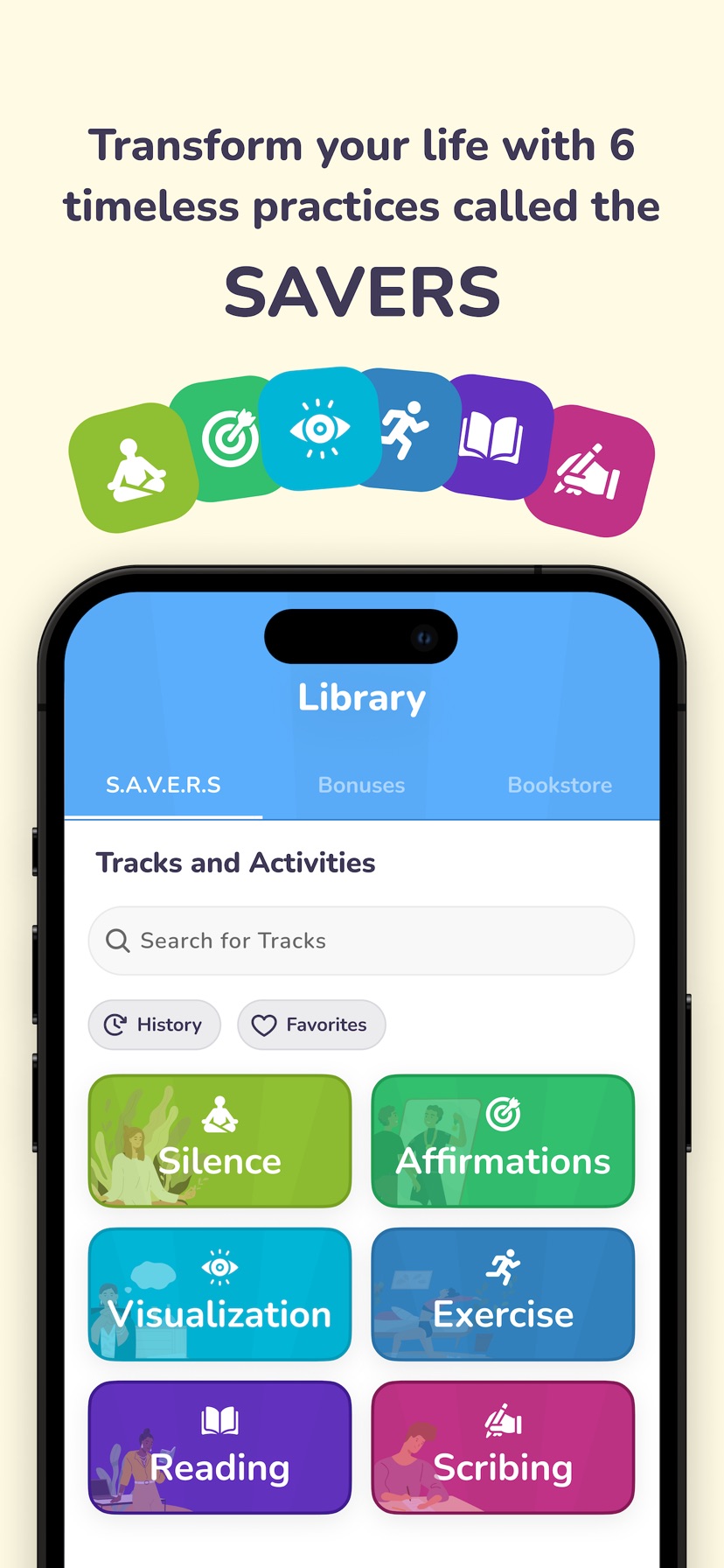
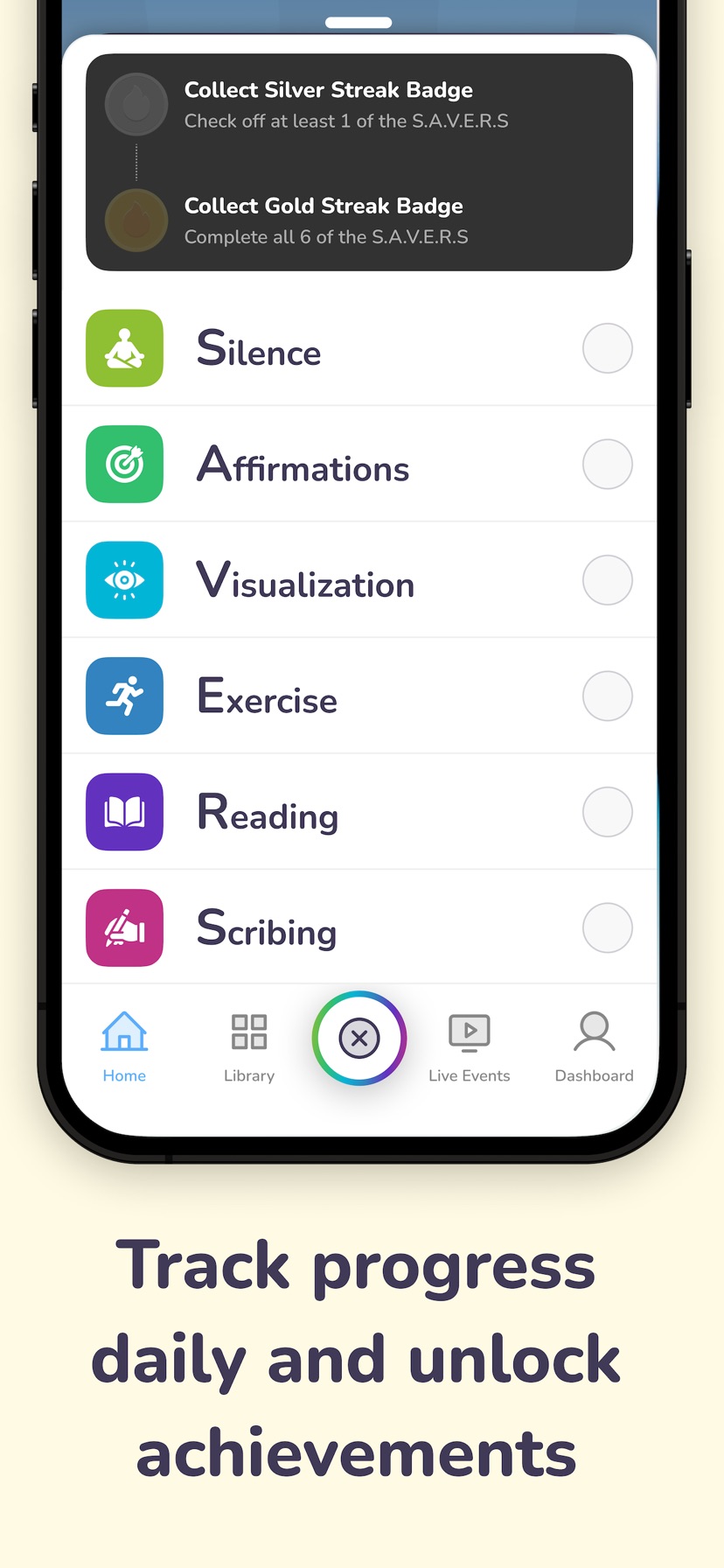
Personal-development ecosystem
Books, course content, habit systems, and community unified into one implementation system — with structure, accountability, reflection, and AI-supported habit formation.
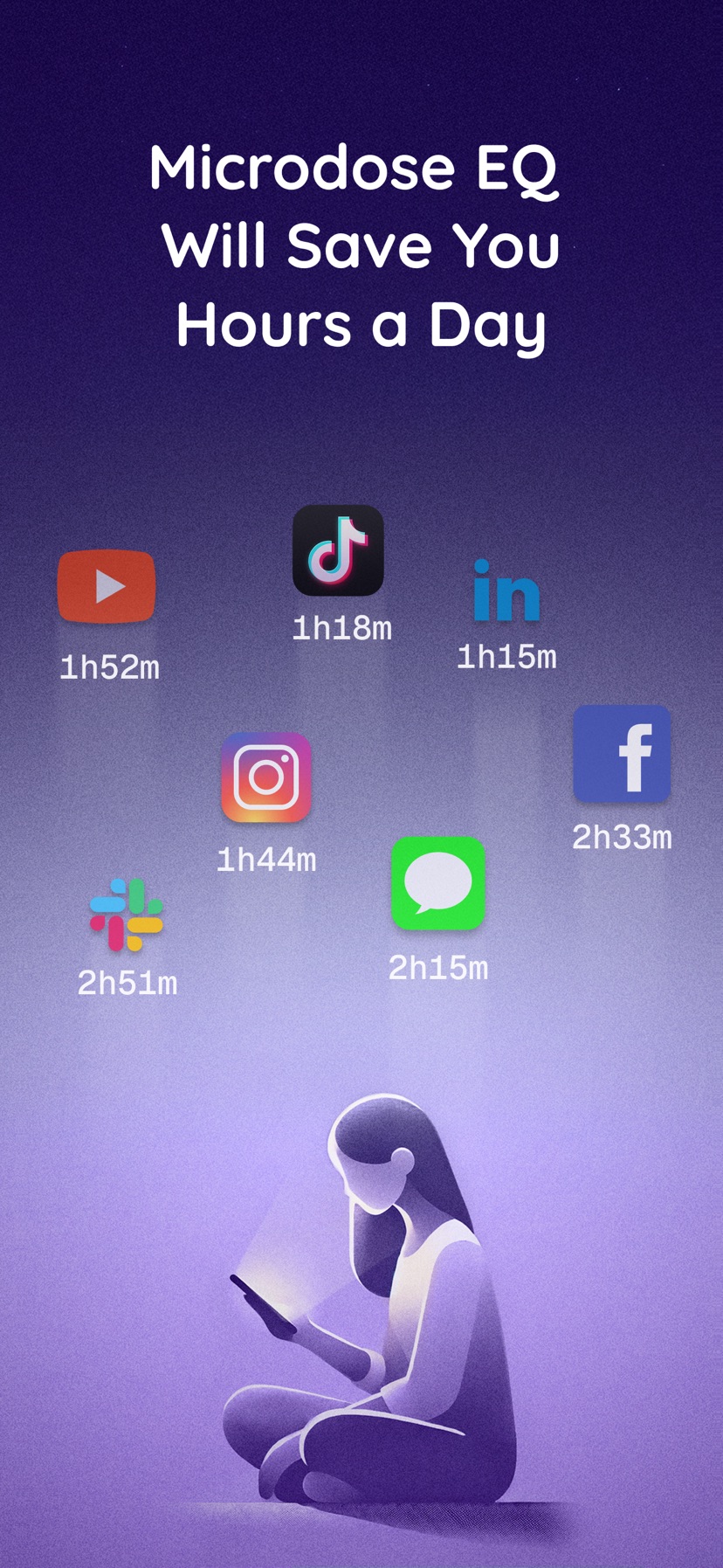
Engagement and retention architecture
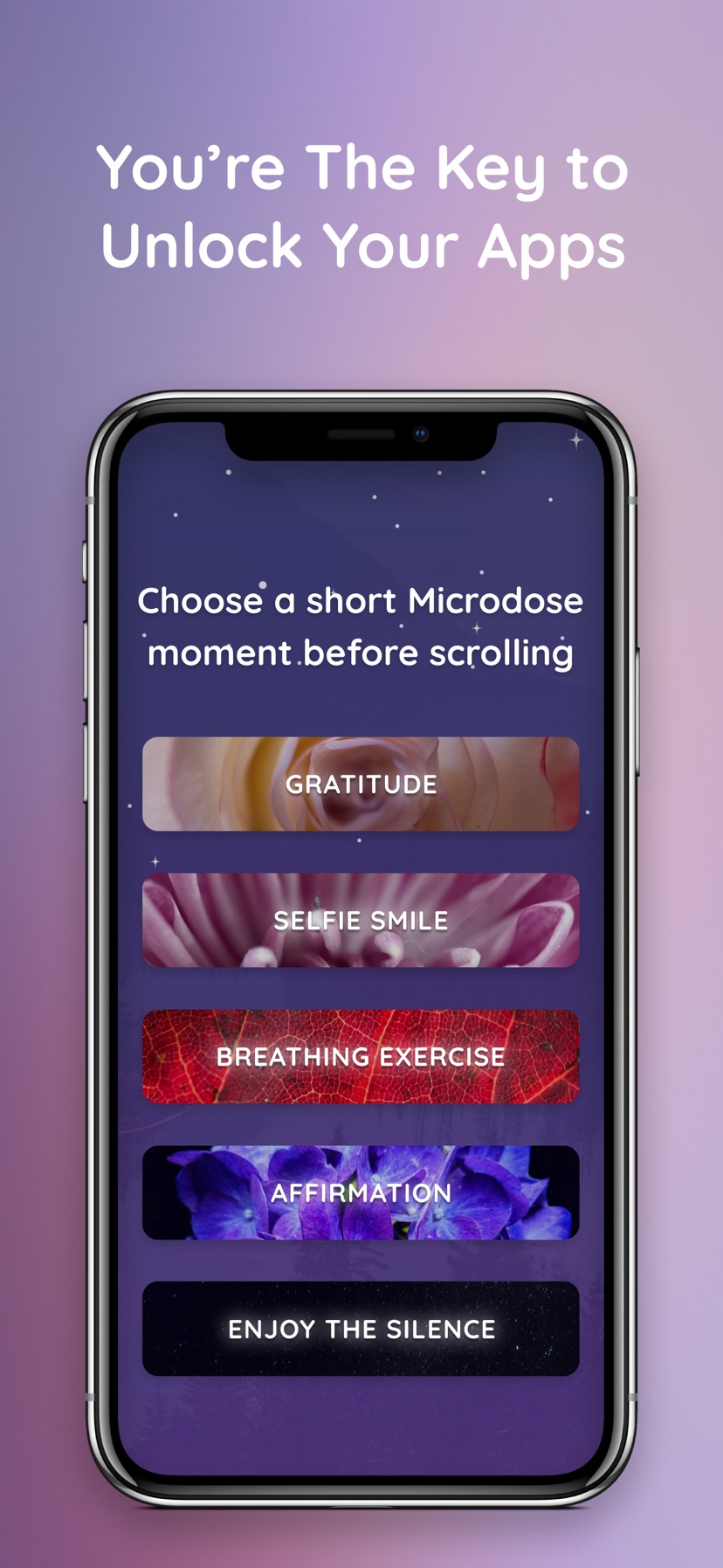
The world's first digital microdose — sub-ten-second mindfulness practices, hundreds of one- and two-minute meditations, an app-lock interrupt that meets mindless phone use at the moment it fires, and a conversational AI meditation coach.
AI-personalized wellness platform
Content, journey, and behavior modeling integrated end-to-end — helping people reduce stress, regulate emotion, and build a repeatable practice.
Platform design for content-led communities
A platform designed for sustained engagement with content-led communities — focused on resilience, reconnection, and emotional safety at scale.
10 Writings
Strategic essays on the operational and behavioral dynamics underneath digital transformation — for leaders navigating fragmentation, modernization, and the shift to adaptive, behavior-aware systems.
Most organizations don't fail because the app was bad or the AI wasn't advanced enough. They fail because of fragmented ownership, weak engagement architecture, and operational systems that were never aligned around the customer. A look at where transformation actually breaks — long before the technology is even tested.
Read articleNot "AI will change everything." The shift that matters is quieter: digital systems that understand timing, emotional state, implementation friction, and user behavior — and adapt to them in the moment. What "behavior-aware" actually means at the product level.
Read articleAI is most powerful when it enhances personalization, reduces friction, improves timing, and supports implementation — not when it tries to replace the human work of change. A framework for designing AI into transformation-driven products without flattening the human at the center of them.
Read articleOverwhelm, too many decisions, inconsistent journeys, attention fatigue, emotional resistance. The most sophisticated UX work is not about adding features — it is about removing the cognitive and emotional load that quietly drives users to drop off.
Read articleMost organizations already have enough tools. What they lack is alignment, prioritization, visibility, ownership, and systems cohesion. The shift that actually moves the business forward is not more technology — it is more intentional operational systems.
Read articleMost organizations separate technology, product, marketing, engagement, and customer experience into four different leadership functions. The strongest digital ecosystems treat them as one interconnected behavioral system — and design for the integration, not the silos.
Read articleMost organizations think they have a content problem. In reality, they have timing problems, onboarding problems, friction problems, personalization problems, and behavioral architecture problems. Why even great content fails when the surrounding system is not designed to support implementation.
Read articleVendor sprawl. Disconnected analytics. Inconsistent UX. The cost of fragmentation is not paid in line items — it is paid in slower decisions, weaker engagement, lower retention, and innovation that stalls at the edges of legacy architecture.
Read article11 Leadership
Implementation Architect. Two decades aligning technology, product, and customer engagement for mission-driven organizations — from early-stage platforms to multi-vendor environments inside established brands. The work is making complex ecosystems cohere: modernizing infrastructure, aligning product and engineering, restoring clarity where technology has underperformed.
11.1 Practice
A decade of personal meditation practice. Continuous study of behavioral neuroscience and implementation psychology — not as a market category, but as a lived discipline. Transformation understood from the inside.
11.2 Convictions
Transformation is a system, not a feeling.
Technology should support behavior, not interrupt it.
Consistency compounds. Micro-massive action over heroic action.
Personalization is the difference between content and change.
The strongest engagement systems are built on respect for human attention.
11.3 All true
11.4 Craft surface
Two decades of practice across the surfaces transformational organizations actually use to reach people.
Web platforms Mobile apps AI and generative systems Engagement systems Multimedia and storytelling Courses and communities Books-to-app translation
Surfaced here not as a services menu — as the territory the work draws from.
Future Proof exists to build the implementation infrastructure that turns intention into sustained transformation.
Also relevant · Platform dependency
When Mighty Networks, Circle, or Kajabi decides what's possible, the constraint cascades. Modernization slows because integrations are limited, prototype-to-production stalls because the architecture is rented, scaling fragments because customer data lives somewhere you can't access. Platform sovereignty is often the first move that unlocks the rest of the ecosystem.
Explore platform sovereignty →Also relevant · Prototype to production
Whatever you build next — on a new platform, alongside aging systems, at the next scale — has to be production-grade from the first commit. The same architectural rigor that turns a working prototype into a system the business runs on applies to every new component you introduce to the ecosystem.
Explore prototype to production →Also relevant · Scaling fragmentation
Platform constraints, legacy technical debt, and prototype-grade architecture all become acute precisely when the business is scaling faster than its operational systems can support. Operational alignment is the precondition for solving any of the others without making the next quarter harder.
Explore scaling alignment →12 Start
A 30-day audit of where the implementation infrastructure behind your flagship product is losing traction. You leave with an ecosystem map, a behavioral drop-off analysis, a prioritized friction inventory, and a 90-day implementation sequence the team can execute.
.webp)
.webp)