
The challenge
Hal Elrod's The Miracle Morning is the bestselling personal-development book of the last decade, and one of the most quietly influential methodologies of the modern self-improvement era. The book taught millions of readers a structured morning routine. The next question was whether technology could help them actually live it — not as a course they consumed once, but as a daily practice that compounded over months and years.
Most personal-development apps in this category were content libraries. Videos, articles, courses. Users downloaded them, browsed them, and quietly abandoned them within weeks. The retention pattern was predictable and the cause was structural: the apps were designed around content delivery, not around the human behavior the content was supposed to produce.
The Miracle Morning needed something else. The methodology had already proven that the behavior worked. The system needed to support the behavior itself — not teach it again.
The thesis
The bottleneck was not information. The reader of the book already had the information. What they lacked was an implementation environment designed around how behavior actually changes — accountability, friction reduction, reflection, adaptation to where the user is in their practice, and the small daily compounding moves that look unremarkable but produce the entire result.
The Miracle Morning had already taught people what to do. The platform's job was to architect the infrastructure that helped them keep doing it — week 2, week 12, year 3.
This is the implementation architecture problem in its sharpest form: a methodology that already works, a user who already wants it to work, and a digital environment that either supports the actual behavior or quietly fights against it. Most digital products in this space, when they retained users at all, did so on novelty. The Miracle Morning could not run on novelty. The whole point of the methodology is that it stops being novel and becomes part of how the person lives.
The architecture
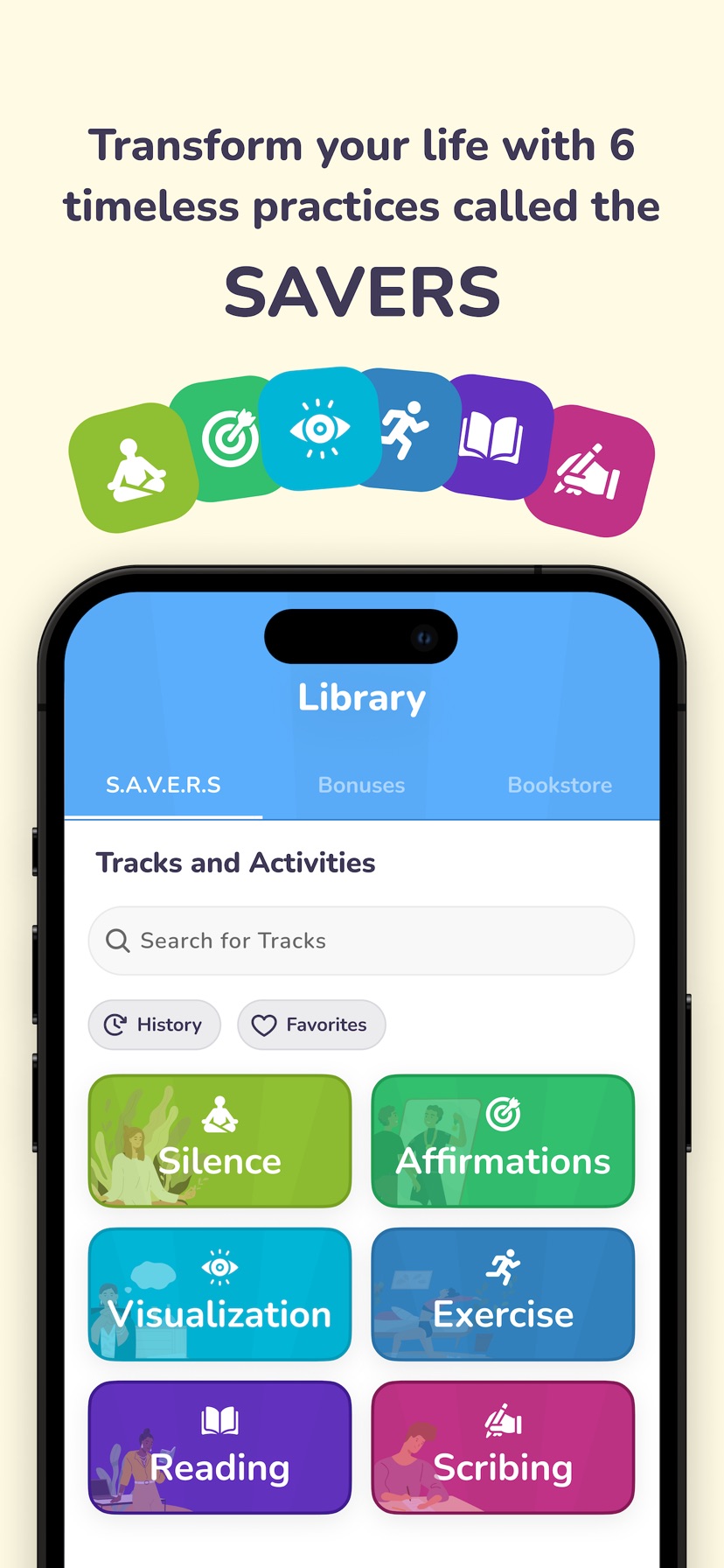
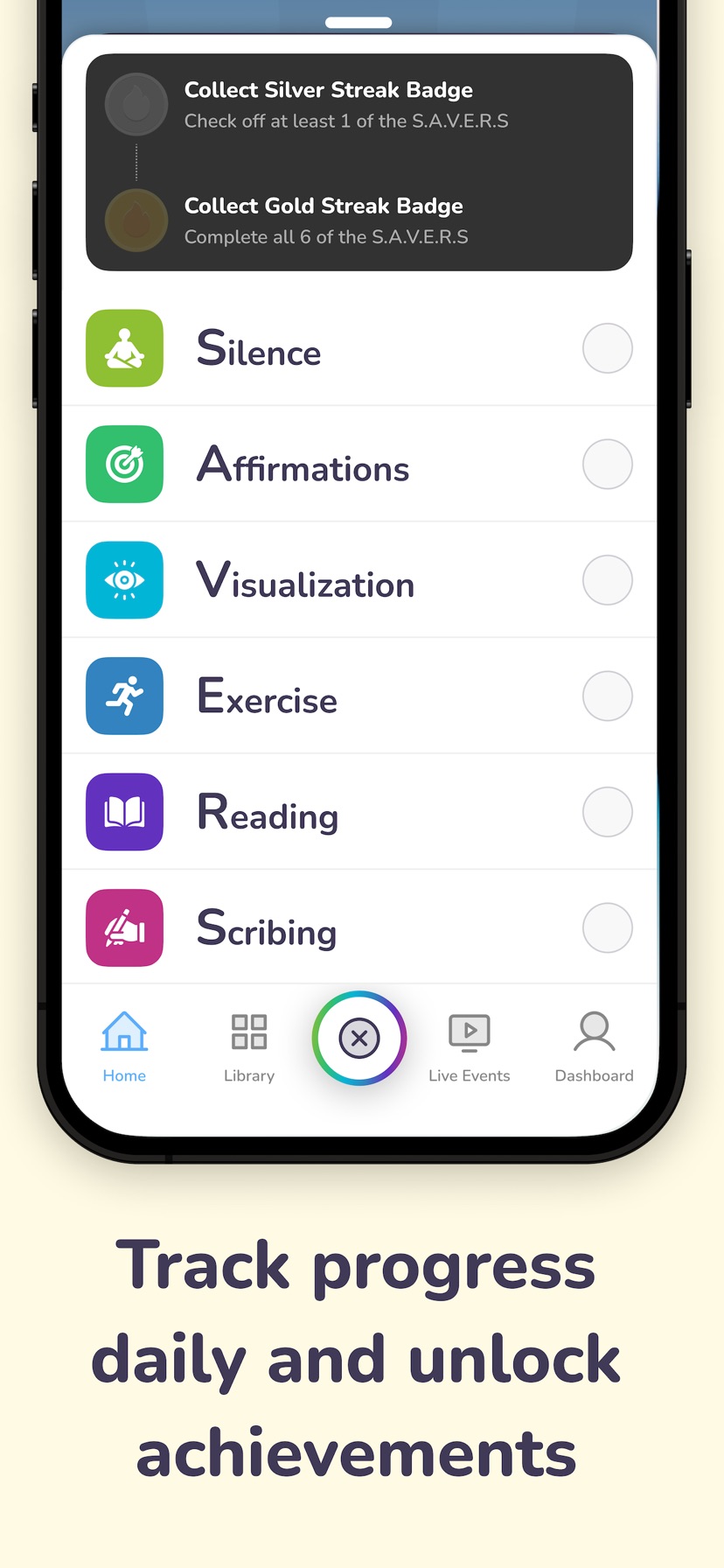
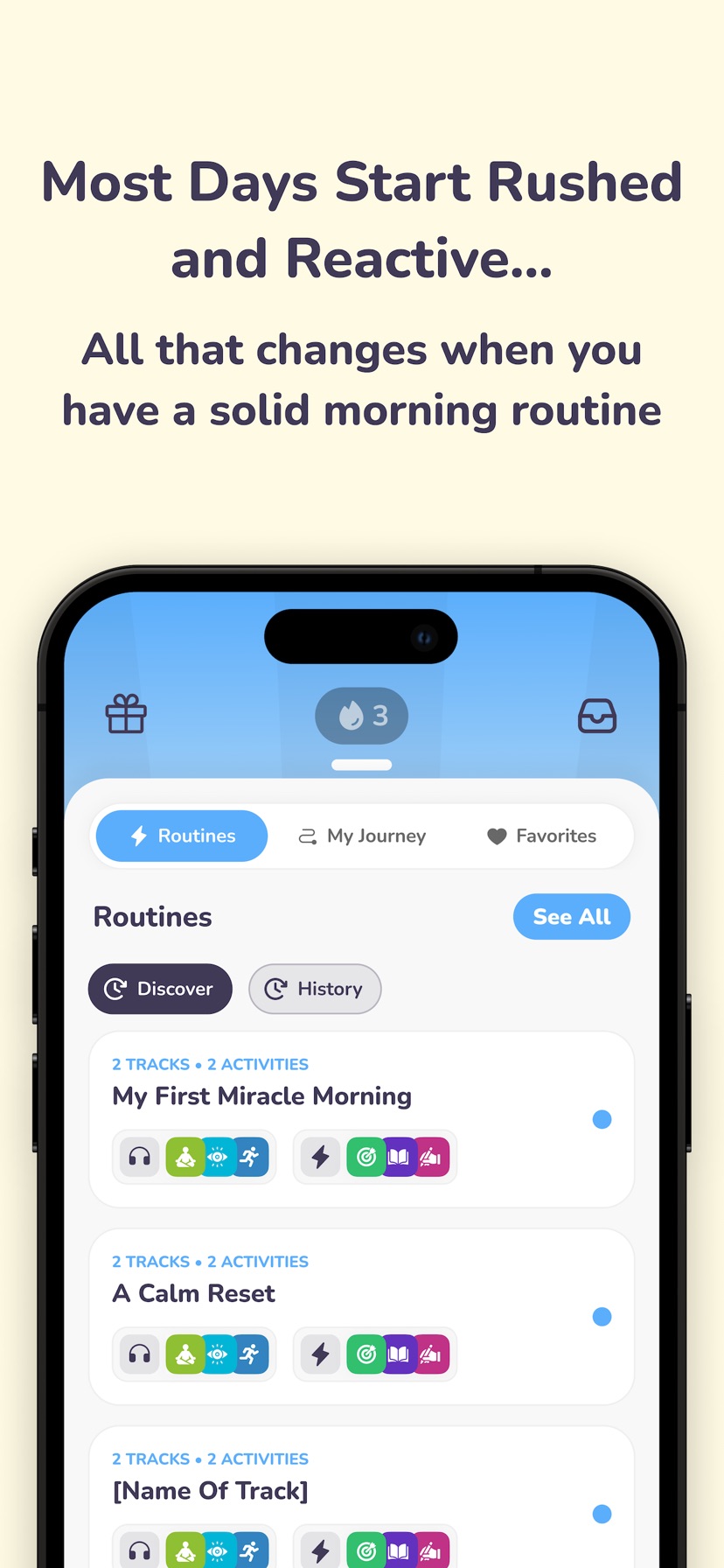
The platform was designed as one connected implementation system, not a portfolio of features. Five surfaces, designed to reinforce each other:
- The routine itself. The morning practice, structured and sequenced, adapting to where the user is in their journey rather than presenting the same flow to everyone on day 1 and day 365.
- Accountability and consistency systems. Built around micro-massive action — the conviction that consistency compounds, and that the small daily move is structurally more valuable than the heroic occasional one.
- Reflection and journaling. Integrated into the rhythm of the practice, not bolted on as a separate feature the user has to remember to open.
- AI-supported habit formation. The system surfaces the right next move based on actual behavior — not the same content to everyone, and not the wrong intervention at the wrong time.
- Community presence. Designed for sustained engagement and shared accountability, not one-time activation.
The user is not meant to feel like they are switching between features. They are meant to feel like they are moving through a single daily practice that quietly understands where they are in it.
The implementation
The engagement was structured as a multi-year operating partnership rather than a one-time product build. That structural decision was the first piece of implementation infrastructure — architecture decisions were made for what the product would need to look like in years two, three, and four, not just at launch. Most apps in this category make decisions that work for the first ninety days and structurally fight against them for the next thousand.
The roadmap was held to a strategic argument about the user's actual transformation arc. Engagement systems were treated as Day-One product discipline, not Day-180 retention rescue work. The vendor and development governance was set up to support sustained iteration rather than feature sprints. The personalization layer was designed in, not added later when retention numbers came in low.
Every one of these decisions is, individually, the kind of decision a senior product team should be making. The implementation architecture frame is what makes them all decisions about the same system, rather than separate optimizations that compete with each other.
The outcome
The Miracle Morning app has reached hundreds of thousands of users and generated millions in subscription revenue for the broader brand. The implementation architecture shows up in the funnel: up to 28% of installs convert to trial, 70% of those trials convert to paid annual subscription, and 92% of all subscribers are on the annual plan. Those are category-leading numbers in personal-development apps — and they are the operational signature of a platform designed around durable daily practice rather than first-week novelty.
The app sustains a 4.9-star rating across the App Store and Google Play with 9,000+ combined reviews. It is the live implementation infrastructure behind the Miracle Morning methodology — the system through which the book's framework reaches and supports daily practice at scale — and a major revenue engine for the broader brand.
The deeper outcome is harder to capture in a single metric. The app is no longer a piece of content the user consumes once. It is the system the practice runs on, daily, for years. That is the implementation infrastructure outcome — and it is the difference between a transformational program that markets well and one that compounds.
Recognition

SubSummit Cube Awards
Final Nominee · Best New Subscription
They turned my bestselling book into a top-rated app and a major revenue engine.
.webp)
.webp)